HomeJavaModsRetrogen
Retrogen

Retrogen

Add ores and structures from newly installed mods to your existing Minecraft world.

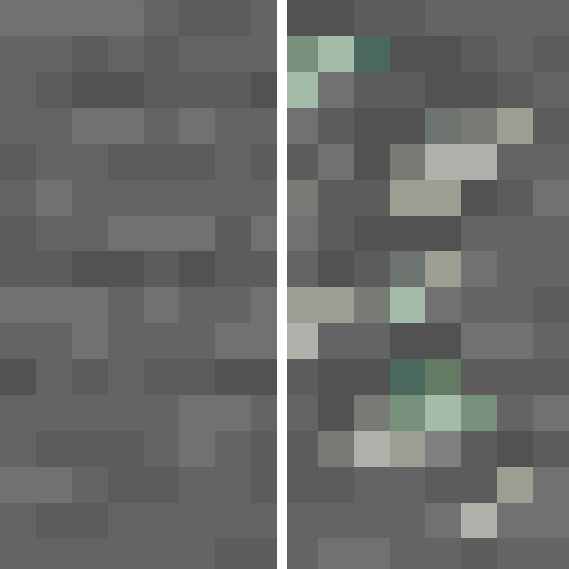
Retrogen is a server-side world-generation mod for Minecraft 1.21.1. It processes already generated chunks as they are loaded and adds compatible ores and structures from mods that were installed later.

Normally, new world-generation content only appears in unexplored areas. Retrogen allows you to continue using your existing world without travelling thousands of blocks just to find newly added resources or structures.

Features

Supported Versions

Fabric and NeoForge use separate JAR files.

On a dedicated server, Retrogen only needs to be installed on the server. Players do not need to install it on their clients.

For single-player worlds, install Retrogen in the client’s mods folder.

How It Works

When an existing chunk is loaded, Retrogen adds it to a processing queue.

The chunk is processed only after it is fully loaded. Retrogen limits both the number of operations and the amount of processing time used during each server tick.

Ore generation uses the original PlacedFeature settings provided by the source mod. This means Retrogen keeps the intended:

Structures are created through Minecraft’s standard structure-generation system.

Retrogen stores processed content inside each chunk and keeps the world’s generation history in:

data/retrogen_manifest.json

This prevents the same ore or structure from being generated every time the chunk loads.

Installation

  1. Back up your world.
  2. Install the correct Retrogen JAR.
  3. Install the mods that provide the new ores and structures.
  4. Start the server or single-player world.
  5. Check the processing queue with:
/retrogen status

For Fabric, Fabric API is also required.

Retrogen creates its configuration file automatically:

config/retrogen.json

Configuration

Default configuration:

{
  "enabled": true,
  "generateOres": true,
  "generateStructures": true,
  "adaptStructuresToExistingTerrain": true,
  "maxOperationsPerTick": 2,
  "maxMillisPerTick": 8,
  "structureReferenceRadius": 8,
  "maxTerrainShift": 96,
  "maxTerrainSampleSpread": 32,
  "maxInhabitedTimeTicks": -1,
  "automaticNamespaces": ["*"],
  "excludedNamespaces": ["minecraft", "retrogen"],
  "includePlacedFeatures": [],
  "excludePlacedFeatures": [],
  "includeStructures": [],
  "excludeStructures": []
}

Retrogen automatically selects standard modded ore features from allowed namespaces.

You can restrict automatic processing to specific mods:

{
  "automaticNamespaces": ["create", "alexscaves"]
}

You can also manually include or exclude individual features and structures:

{
  "includePlacedFeatures": [
    "example:underground_dungeon",
    "anothermod:*_ore"
  ],
  "excludePlacedFeatures": [
    "example:huge_test_ore"
  ],
  "includeStructures": [
    "minecraft:trial_chambers"
  ],
  "excludeStructures": [
    "example:unsafe_castle"
  ]
}

The lists support wildcard patterns:

Reload the configuration without restarting the server:

/retrogen reload

Custom and Imported Terrain

Ores are generated in the blocks that already exist inside the chunk.

A modded ore can only replace blocks accepted by the source mod’s generation rules. For example, an ore configured to replace normal Minecraft stone may not generate inside custom stone blocks.

Retrogen can also adjust surface structures to match the real terrain instead of relying only on the current chunk generator.

When enabled, Retrogen samples the existing surface or ocean floor and moves the structure vertically when necessary.

This is a best-effort system. Some unusual structures may still require special support from their original mod developer.

Important Warning

Always create a backup before using Retrogen.

Minecraft cannot reliably distinguish naturally generated blocks from blocks placed by players.

Ores normally replace only valid target blocks, but structures may intersect:

On its first installation, Retrogen may not know which modded ores were already present when older chunks were created. Existing modded worlds may therefore receive additional ore veins.

Use the include and exclude lists when working with an important world.

Limitations

Retrogen supports content registered through standard Minecraft world-generation systems such as:

It cannot automatically reproduce content generated through completely custom mod events or independent generation systems.

Changing generation settings while keeping the same registry ID does not automatically trigger another generation pass.

Do not delete:

data/retrogen_manifest.json

This file stores the world’s Retrogen history.

Retrogen does not force-load distant chunks to complete structures. Very large structures may require both their starting chunk and distant piece chunks to be loaded at the same time.

Retrogen can move structures vertically, but it cannot regenerate natural terrain blending around them.

Do not move an already processed world between Fabric and NeoForge without a backup. The two loaders store Retrogen’s chunk markers differently, which may cause content to be processed again.

Commands

/retrogen status

Shows the current processing queue.

/retrogen reload

Reloads the configuration and available content catalogue.

Quick facts

Install steps are the general flow for this file type — How to install Minecraft Java mods & modpacks walks through it step by step.

Verified by MCModsHub

These come from our own check of the pack file, not from the source page.

Explore more