Urgent Operation (Minor Patches Soon!)
Urgent Operation is a Minecraft Bedrock medical-horror sandbox featuring persistent organ surgery, transplantation, disease, heredity, clinic and…
⬇ Download on CurseForgeThe author built this one for Minecraft 26.30. On other versions it may install and then do nothing.
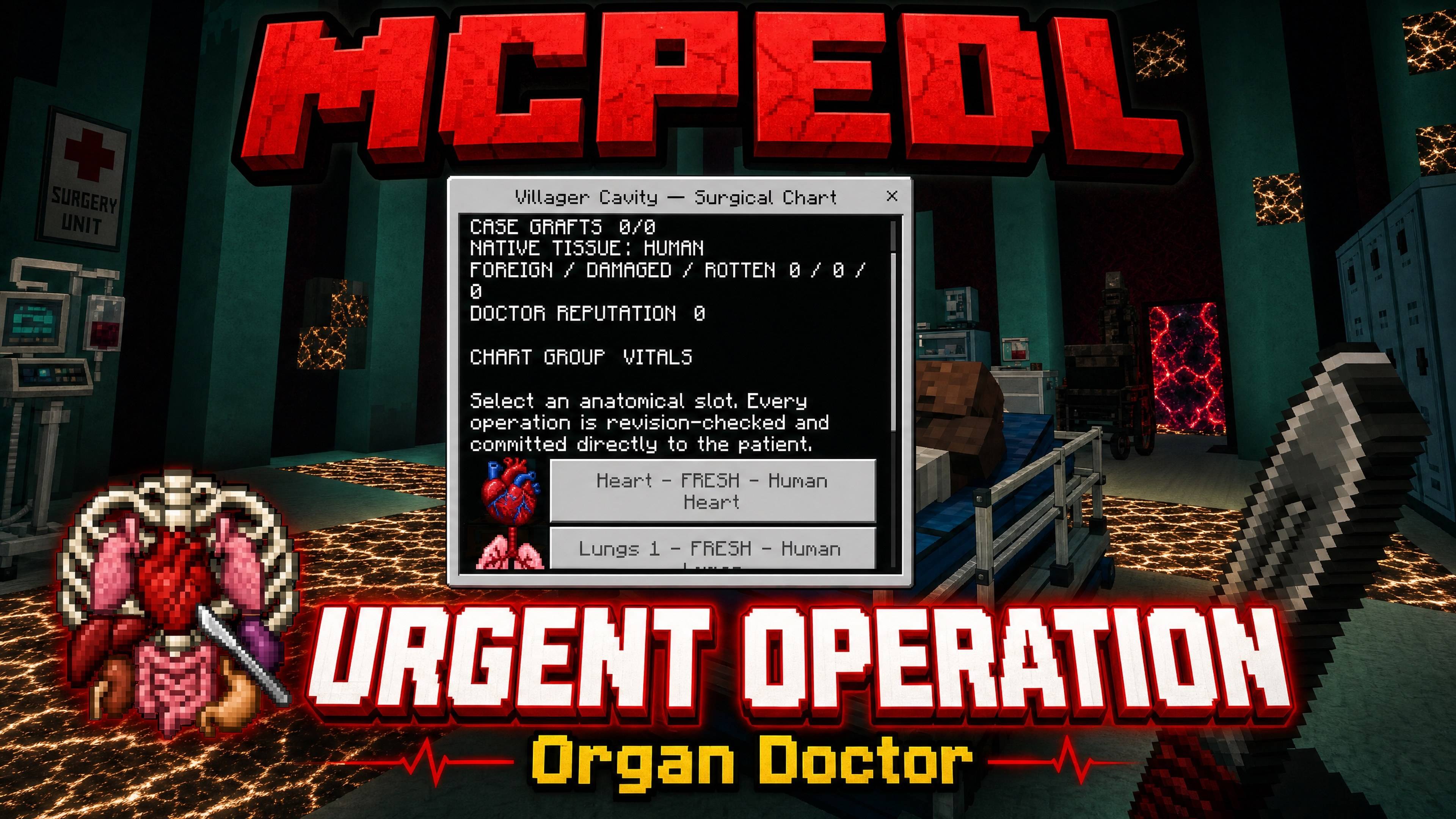
Urgent Operation: Organ Doctor
Minecraft Bedrock 26.30+ • Medical Horror • Persistent Anatomy • Surgery • Clinic Management • Black Market • Custom Dimension
EQUIP A SCALPEL TO GET STARTED!
Urgent Operation: Organ Doctor is a full-scale medical-horror sandbox that gives players and living mobs persistent, surgically editable anatomy.
Open patients with a scalpel, harvest and transplant individual organs, stabilize catastrophic injuries, cultivate replacement tissue, manage a legitimate transplant clinic—or abandon medical ethics and build an underground organ empire. Every operation changes the patient’s actual saved anatomy, and those changes persist through reloads, travel, breeding, disease, and death.
This is not a simple organ-drop add-on. It is an interconnected anatomy, surgery, progression, economy, furniture, creature, heredity, and dimension system.
Content warning: This add-on contains stylized body horror, organs, disease, surgical procedures, necrotic tissue, and macabre furniture.
Persistent 27-slot anatomy
Every supported patient receives a persistent 27-slot cavity divided into:
-
Vitals
-
Structural anatomy
-
Support organs
-
Augmentation sockets
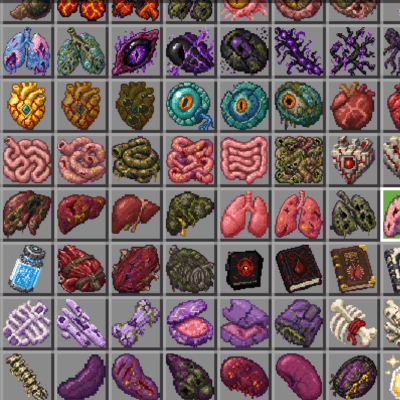
The add-on contains 42 organ families, each represented by separate healthy, damaged, and rotten items—for 126 distinct organ-state items.
Different creatures have different native anatomy profiles, tissues, organ layouts, and compatibility rules. Human, animal, undead, aquatic, construct, arthropod, Ender, Nether, and other anatomical classes behave differently during transplantation.
Harvested organs retain their exact condition. Rotten anatomy does not mysteriously become healthy loot, and damaged organs remain damaged until properly restored.
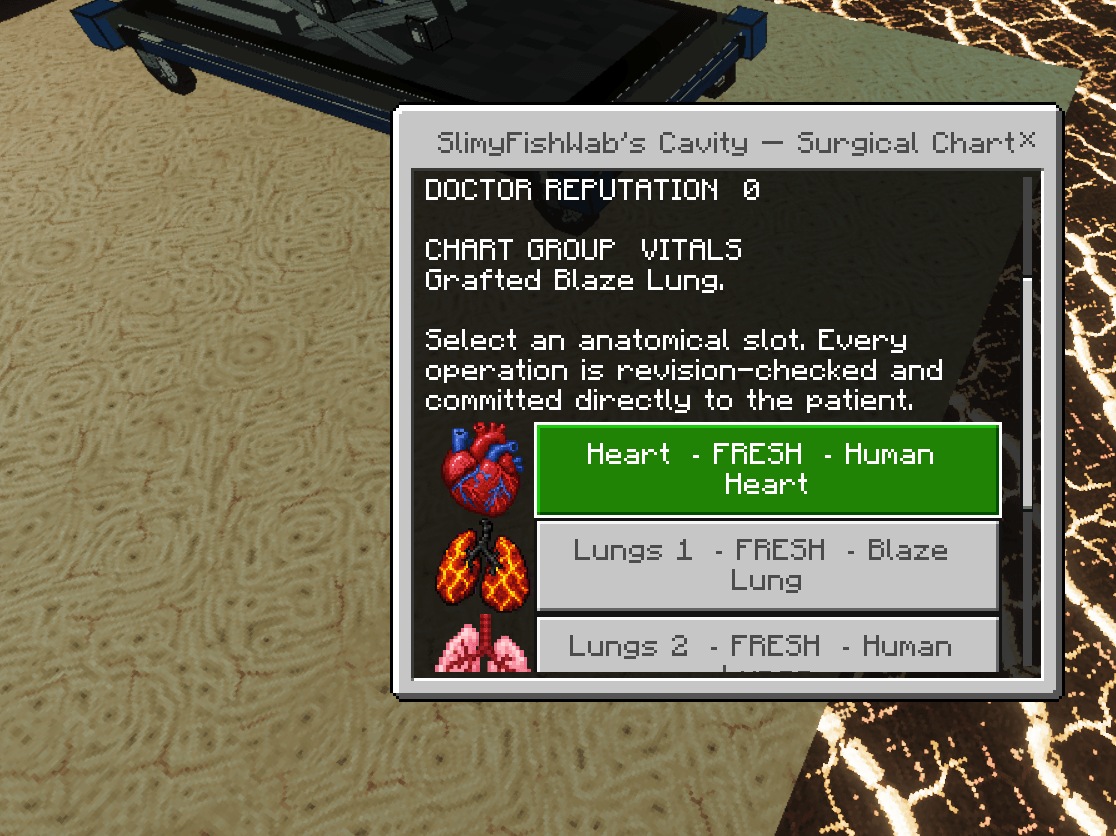
Real surgery and transplantation
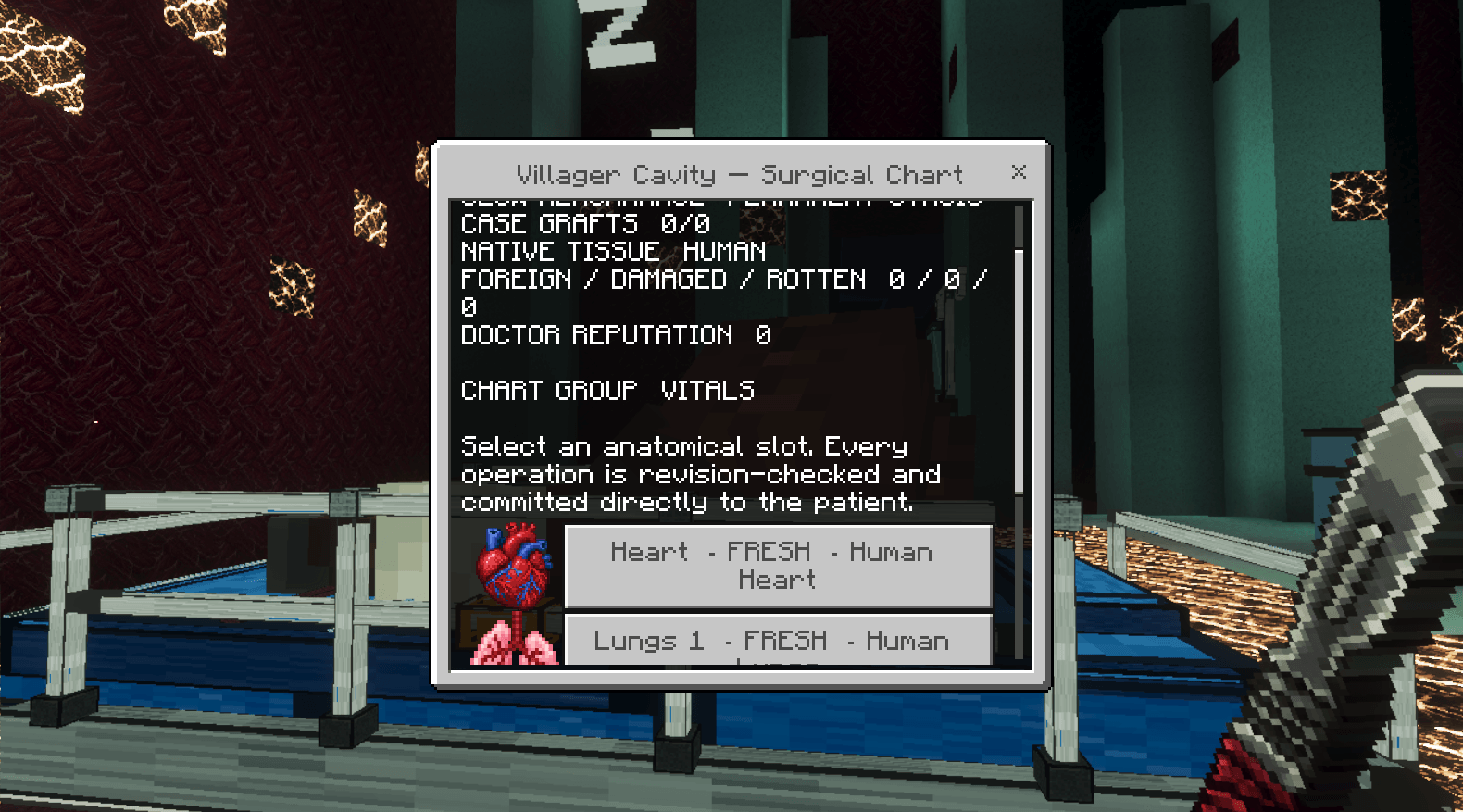
Craft a Surgical Scalpel and interact with a supported patient to open their anatomy chart. You can:
-
Inspect all 27 anatomical slots
-
Harvest individual organs
-
Graft compatible replacements
-
Return replaced organs to your inventory
-
Perform self-surgery
-
Operate on consenting players
-
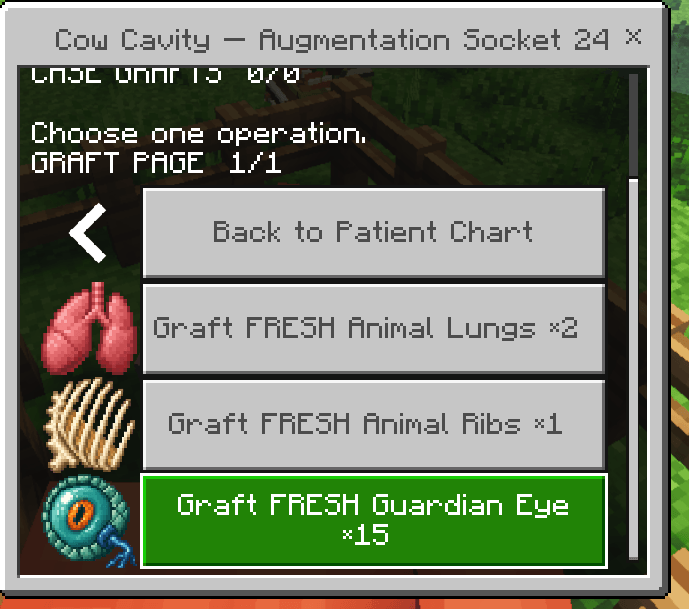
Install special augmentation grafts
-
Calibrate augmentations with an Augmentation Kit
-
Recover quarantined anatomy from older save formats
Surgical transactions recheck range, consent, inventory capacity, held tools, patient identity, and cavity revision before committing. If something changes while a menu is open, the procedure cancels instead of duplicating or deleting anatomy.
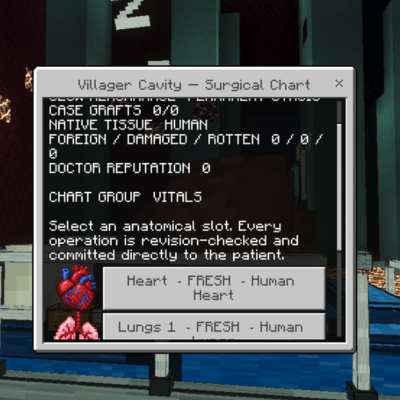
Holding a scalpel gives surgery priority over Villager trading, ensuring medical interaction is not stolen by the vanilla trade screen.
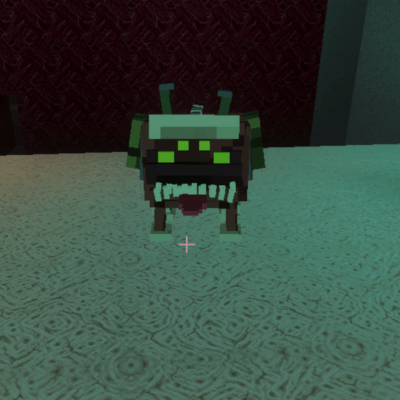
Critical-organ survival
The three critical anatomical systems are:
-
Heart
-
Functional lung supply
-
Spine
A patient without a functional heart, without at least one functional lung, or without a functional spine begins a lethal ten-second collapse outside stasis.
Removing one of two lungs causes respiratory impairment without immediate death. Removing the last functional lung is fatal unless the organ is replaced or the patient is stabilized in time.
Missing, rotten, damaged, and incorrectly placed anatomy can also produce weakness, nausea, poison, hunger, reduced health, impaired movement, mining fatigue, or recurring pain.
Disease, decay, and rejection
Slow Hemorrhage is a contagious anatomical disease affecting non-player patients. It can be introduced through Infection Vials, the Hemorrhage Blade, infected patients, or extremely rare ambient exposure.
The disease gradually advances organs through their registered states:
Healthy → Damaged → Rotten
Curing it requires verified healthy critical replacements installed after the disease case began. Golden Hearts offer an exceptional cure, while Creeper Hearts can produce either a stable result or a violent acute rejection.
Foreign healthy grafts can also enter immune rejection after a five-minute incubation. Immunosuppressants, calibrated augmentation, congenital inheritance, universal organs, Permanent Stasis, and Golden Heart stabilization interact with this system in different ways.
Stasis and patient transport
Several preservation technologies create different surgical opportunities:
-
Temporary Stasis: ten minutes of emergency preservation for infected patients
-
Emergency Attendant Stasis: automated one-minute stabilization
-
Advanced Stasis: extended preservation and hour-long tissue clocks
-
Permanent Stasis: indefinite anchored suspension until cured
-
Coagulated Ichor: a short mobile seal against hemorrhage decay and contagion
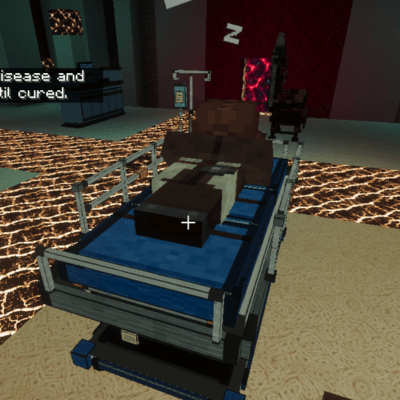
Permanent-stasis patients can be moved with the add-on’s protected tether system, attached to fences, loaded onto medical furniture, and reopened for surgery.
Ordinary leashable mobs retain normal vanilla Lead behavior.
Hereditary grafting
Compatible transplanted anatomy can enter the bloodline.
When two verified operated parents produce a direct-born child, their compatible grafts can recombine across the newborn’s anatomy. Inherited grafts are restored healthy, marked congenital, retain compatible abilities, and avoid ordinary foreign-tissue rejection.
When a valid inheritance plan exists:
-
80%: the normal child survives with recombined inherited grafts
-
20%: the birth is replaced by an Amalgamation of Horrors
The Amalgamation is a massive hostile organ-bearing creature with 600 health, remastered geometry, mapped animations, rotten-adapted anatomy, and a cavity that can still be surgically examined and harvested.
Birth correlation, parent evidence, inheritance plans, and replacement transactions are persisted across reloads and high-throughput breeding systems.
Build a Living Clinic
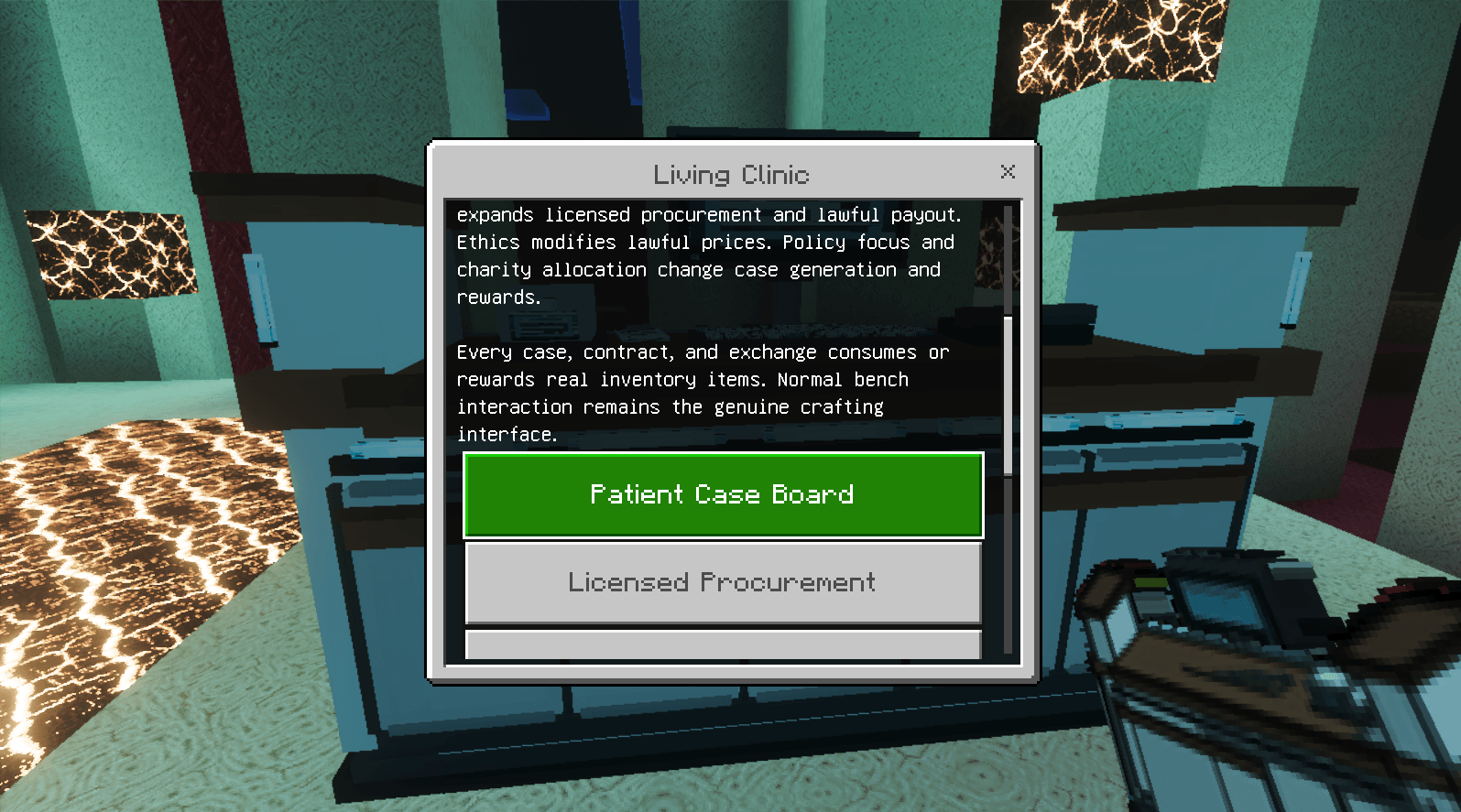
Turn surgery into a complete progression path through the Living Clinic.
Manage:
-
Patient cases
-
Clinic experience and reputation
-
Medical licenses
-
Ethical alignment
-
Trauma response
-
Tissue culture
-
Lawful organ procurement
-
Registered donor networks
-
Preservation and pathology upgrades
-
Clinic policies
-
Charity allocation
-
Licensed organ sales
-
Surgical research
Patient cases request real registered organs and consume real inventory supplies. Successful surgery, grafting, cures, rescues, culture work, contracts, and critical saves advance your clinic.
Choose whether to provide pro-bono care, submit a licensed invoice, or divert tissue underground.
The Red Ledger
The Red Ledger opens a genuine black-market progression system with:
-
Shared contraband stock
-
Illegal organ buying and selling
-
Restricted medical treatments
-
Red bounties
-
Underground reputation
-
Personal heat
-
World audit pressure
-
Bribery
-
Crackdowns
-
Anatomy Enforcement raids
-
Forged Consent Forms
-
Discreet clinic upgrades
Market supply and demand react to actual transactions. Human tissue, rotten specimens, powerful grafts, player reputation, crackdowns, clinic ethics, and available stock affect the economy.
Illegal activity raises heat and audit pressure. Push too far and armed Anatomy Enforcement may arrive at your clinic.
Eleven functional furniture pieces
Urgent Operation includes six hospital installations and five MCcabre furniture pieces.
Hospital furniture
-
Hospital Surgical Gurney
-
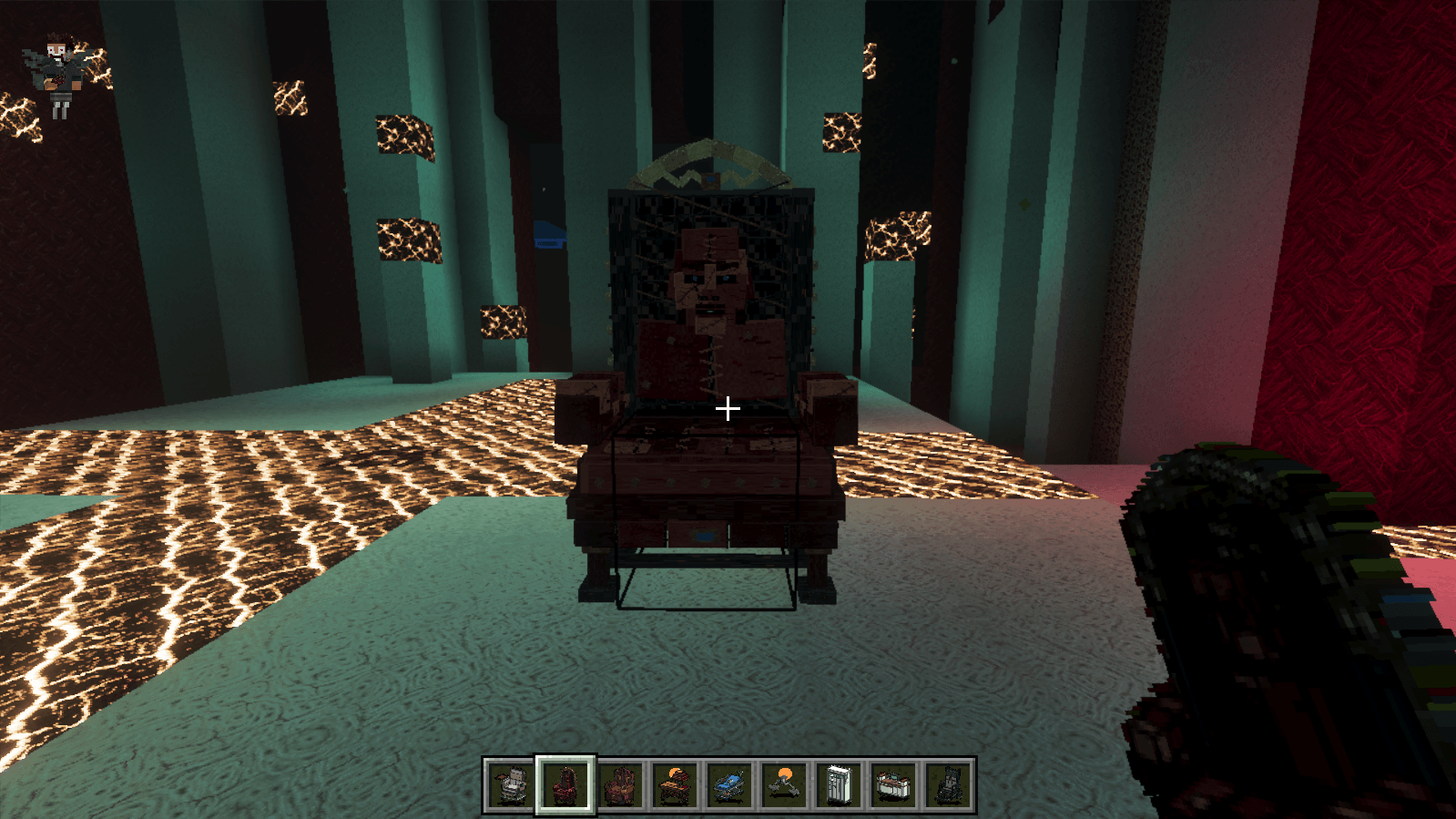
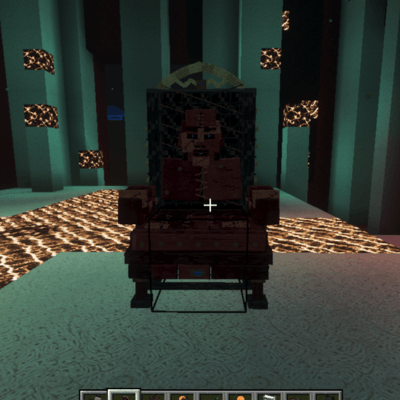
Psych Ward Restraint Chair
-
Rolling Recovery Chair
-
Dual Surgical Ceiling Light
-
Hospital Reception Desk
-
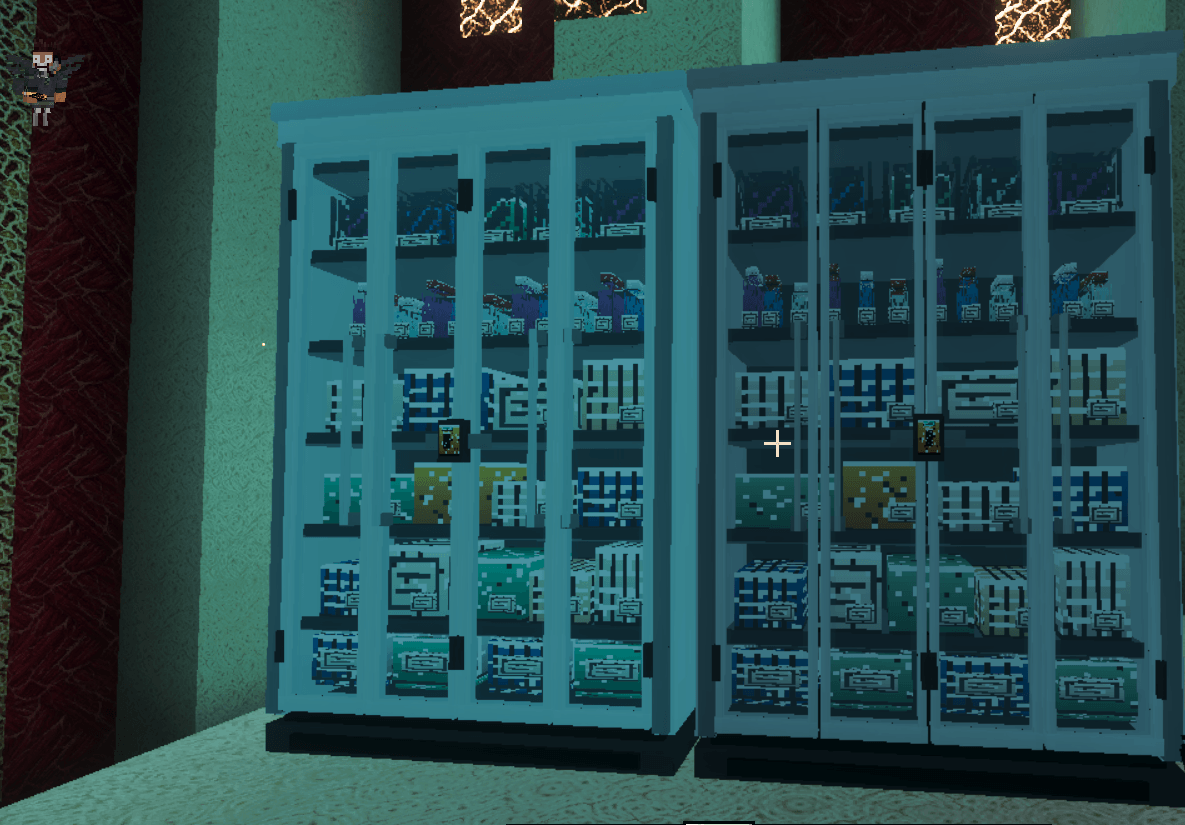
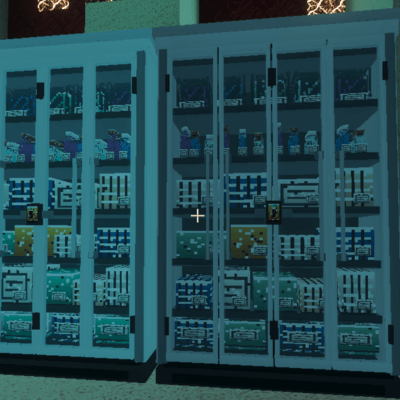
Medical Supply Cabinet
The gurney restrains stasis-protected mobs in species-aware prone poses and provides direct surgical access. The Psych Ward chair can capture patients, convert into a mobile chair, roll while empty or occupied, and park safely as a block again.
The Reception Desk opens the Living Clinic, while the Supply Cabinet provides persistent, owner-controlled medical storage.
MCcabre furniture
-
Grafted Hand Throne
-
Skinbound Armchair
-
Ossuary Surgeon Throne
-
Vertebral Shade Lamp
-
Facebound Lamp Table
The chairs can be used as furniture, the Vertebral Shade Lamp performs a non-destructive patient triage scan, and the Facebound Lamp Table appraises held organ specimens.
A custom MCcabre Name Tag provides a reliable anvil-renamed mob-naming transaction.
All furniture uses block-owned placement, cardinal rotation, damage-proof visual helpers, bounded repair, and one legitimate item drop when the authoritative base is broken.
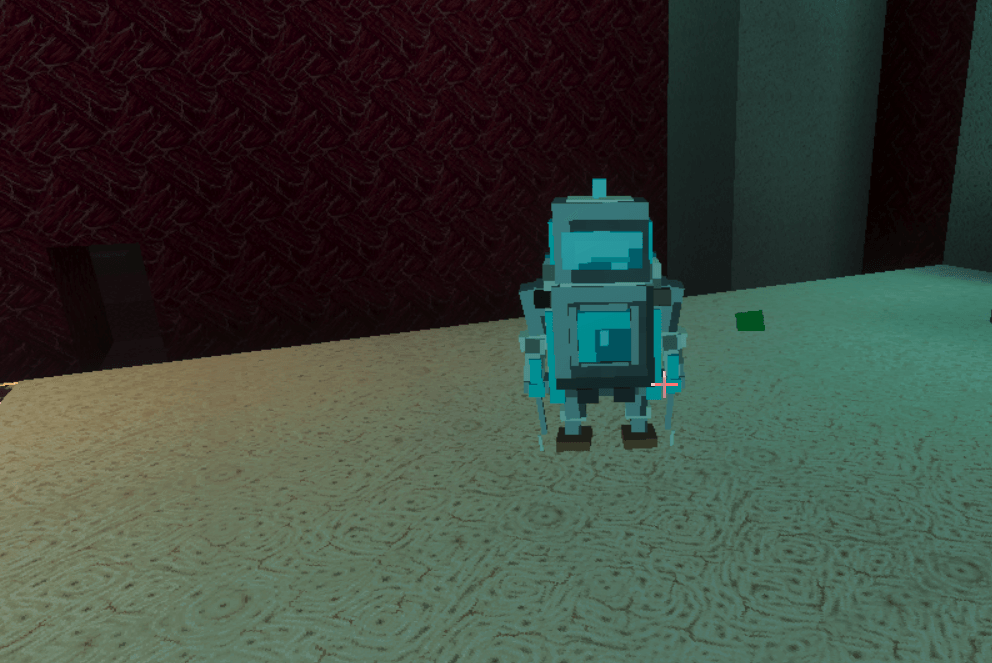
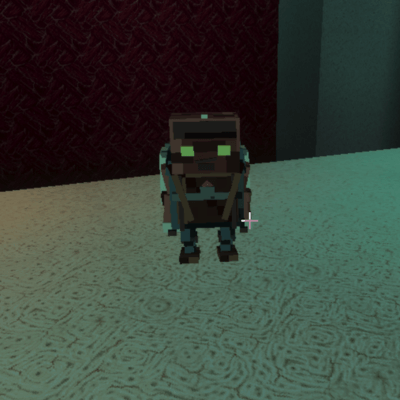
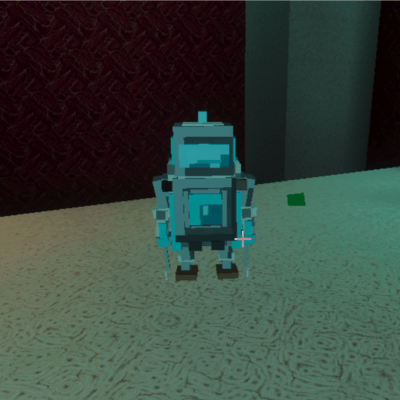
Craftable utility creatures
Create four purpose-bred medical helpers at the Organ Repair Bench:
-
Blast-Eater Sentinel: hunts Creepers and consumes them without explosions, drops, or XP
-
Organ Courier Homunculus: collects healthy and damaged organs, stores 54 specimens, and delivers cargo to nearby chests
-
Emergency Stasis Attendant: carries Stasis Vials, pursues eligible patients, and injects them at contact range
-
Rot Reclaimer: consumes rotten organ drops and converts every four into Tissue Culture Gel
Each creature has dedicated geometry, textures, locomotion, work animations, persistent state, bounded automation, and survival crafting.
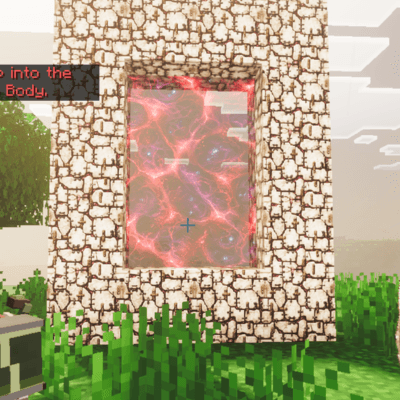
Enter the Great Body
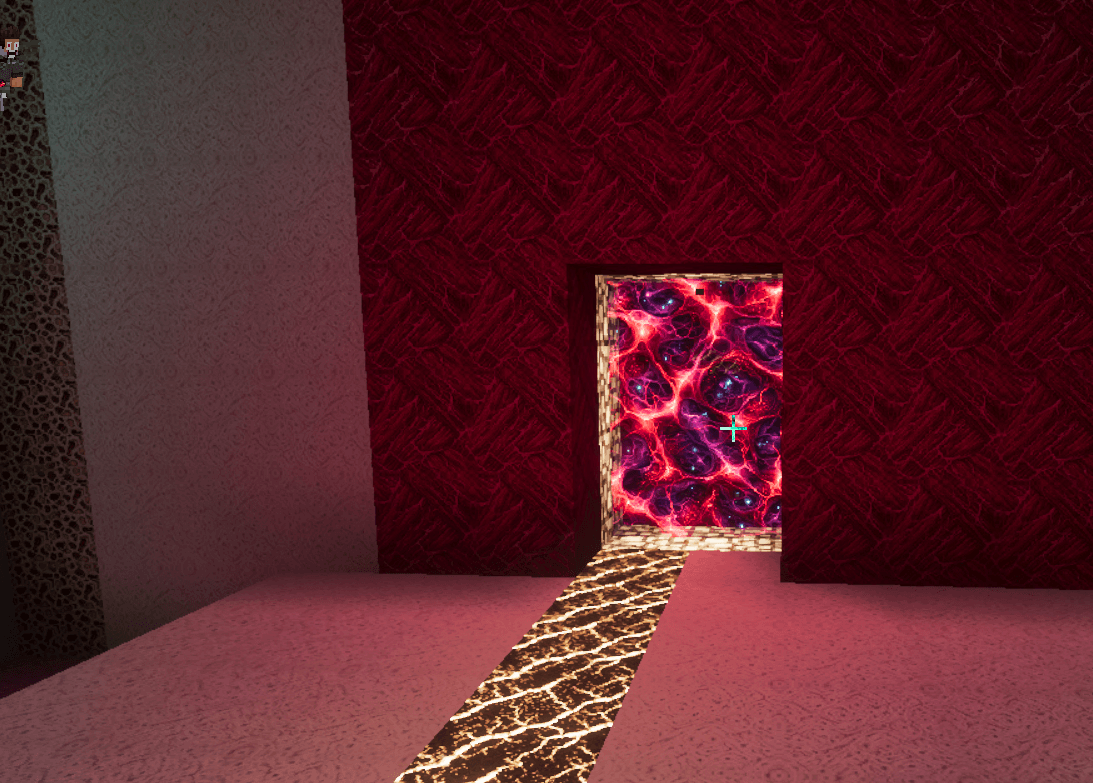
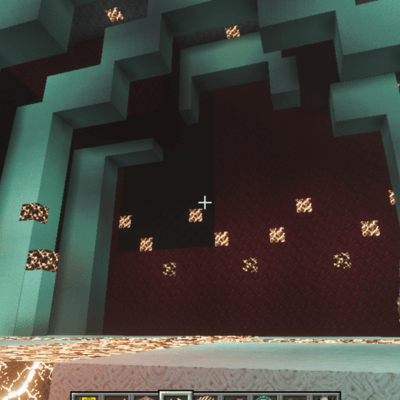
Construct a 4×5 Visceral Gate and enter a genuine custom Bedrock dimension built from living tissue.
The Great Body contains six procedural regions:
-
Striated Expanse
-
Adipose Fens
-
Ossuary Fold
-
Arterial Maze
-
Synaptic Crown
-
Necrotic Margin
Explore muscular caverns, bone shrines, coagulated blood channels, neural growths, necrotic spires, hanging organs, vascular formations, and the monumental Vestibule of the First Incision.
Harvest 13 custom tissue blocks and process new resources including:
-
Marrow Extract
-
Nerve Filament
-
Coagulated Ichor
-
Cardiac Fiber
-
Necrotic Culture
-
Synapse Nodes
-
Cardiac Nodes
-
Living Dermis
-
Nerve Tissue
-
Marrow Tissue
Visceral Gates support two-way travel for players and eligible living mobs while preserving the original entity rather than replacing it with a clone. Every traveler receives a personal return anchor.
Equipment, research, and crafting
The add-on also includes:
-
Surgical Scalpel
-
Augmentation Kit
-
Hemorrhage Blade
-
Rib Cage armor set
-
Organ Repair Bench
-
Anatomical Atlas
-
Six research books
-
Four reusable English/Spanish field manuals
-
Medical reagents and treatment vials
-
Great Body construction materials
-
138 recipe definitions
-
Preserved legacy crafting routes for established worlds
Multiplayer and persistence
Anatomy belongs to the patient. Clinic progression belongs to the player. Market state belongs to the world. Furniture stock belongs to the placed installation. Creature inventory belongs to the creature.
The add-on includes revision-checked surgery, player consent, rollback-aware inventory transactions, persistent heredity, furniture reconstruction, portal recovery, legacy cavity migration, and one-shot protection against anatomy-caused player respawn loops.
Essential visual setup
For the intended lighting, atmosphere, particles, and presentation, the author recommends installing both:
The base add-on can load without them, but they are considered essential for the intended visual experience. Download versions compatible with your current Bedrock release and follow each project’s installation instructions.
Installation
-
Download and import the
.mcaddon. -
Activate both the included behavior pack and resource pack.
-
Do not mix behavior and resource packs from different Urgent Operation versions.
-
Back up established worlds before upgrading.
-
Fully close and reopen the world after installation.
The Great Body is registered during world startup, so /reload is not a substitute for a complete world restart.
Current wiki/release target: v51.2.9 Beta Candidate
Minimum Minecraft Bedrock version: 26.30
Prepare the replacement before making the incision.
- Edition: Minecraft Bedrock
- File type: .mcpack or .mcaddon
- Minecraft version listed: 26.30
- How to install: Download the .mcpack or .mcaddon file. → Open it — Minecraft imports it. → In your world: Behavior Packs → Available → Activate, then the same under Resource Packs.
- Where to get it: Opens on CurseForge — not every file is mirrored on our own servers.
Install steps are the general flow for this file type — How to install Minecraft Bedrock addons & mods walks through it step by step.
- Pack type: .mcaddon — behaviour and resource pack in one file
- Download size: 8.0 MB
- Download link checked 12 Sept 2026 — working
These come from our own check of the pack file, not from the source page.